Dispatches
November 17, 2026
Why MARA Is Upgrading to Stratum V2
Stratum V2 features improvements to latency, bandwidth, and network communications.
Introduction
MARA mined its first Bitcoin block (975369) using Stratum V2 on Nov. 10, marking a milestone in the company’s efforts to optimize mining efficiency through improvements to latency, bandwidth, and network communications.
Stratum V2 is an open-source protocol for coordination between the ASIC hardware that makes up MARA’s mining fleet and the components within MARA Pool, the proprietary Bitcoin mining pool owned and exclusively used by MARA. In recent years, industry anticipation has grown for Stratum V2, which builds on and improves Stratum V1 following its introduction in 2012.
Although Stratum V2 has been recognized for its ability to improve the Bitcoin network’s decentralization — because it allows miners within a pool to choose their own transactions and construct block templates — it also offers distinct benefits for solo miners like MARA.
MARA Foundation has prepared the following FAQ to explain the technical and operational reasons behind MARA’s upgrade to Stratum V2 and how it’s using the protocol today. Notably, MARA is among the first industrial miners to mine a Bitcoin block using Stratum V2.
Why does Stratum V2 matter for a solo miner like MARA?
Stratum V2 offers critical benefits for solo miners because its architecture enables latency improvements, bandwidth efficiencies, and encrypted site-to-pool communications. In other words, there are technical benefits to using Stratum V2 beyond miner decentralization.
- Stratum V2’s modular architecture improves overall mining efficiency by enabling nodes to run on-site, eliminating the need for each machine to communicate over the internet to function within MARA Pool and greatly reducing latency.
- Instead of using text-based messaging, Stratum V2 leverages a compact binary format, reducing the amount of data that needs to be transmitted between connection points. Additionally, the site-local Job Declaration node becomes the singular connection to the pool, significantly reducing upstream network loads from tens of thousands of miners to a single node.
- Because Stratum V1 relies on unencrypted, plaintext connections between mining hardware and pool servers, the initial version is vulnerable to man-in-the-middle attacks, where malicious entities can potentially hijack and redirect hashrate.
Where does MARA Pool’s hashrate come from?
MARA strictly operates as a vertically integrated solo miner, and as such, it’s the sole entity directing hashrate at MARA Pool.
Are you using the Job Declaration feature?
While MARA Pool doesn’t take full advantage of Job Declaration yet, MARA plans to integrate the feature in the future.
Stratum V2 introduces Job Declaration, enabling miners within a pool to select which transactions go into a block and construct their own block templates.
That feature is central to Stratum V2’s decentralization benefits because mining pools currently dictate the entire block construction process. However, for MARA, the Job Declaration node will allow individual mining sites to build blocks locally, reducing latency and optimizing bandwidth across the fleet.
How can I learn more about Stratum V2?
For those interested in learning more about Stratum V2, MARA Lead Software Engineer Gary Krause gave a presentation on protocol benchmarks at TABConf 7 in Atlanta, Georgia last year, including discussion on its specific benefits to solo miners. Stratum V2’s reference codebase is also publicly available via GitHub.
MARA is a proud member of the Stratum V2 Working Group, which includes ANTPOOL, Auradine, Block, Braiins, DMND, F2Pool, Foundry, Mempool.space, SpiderPool, Spiral, and the 256 Foundation.
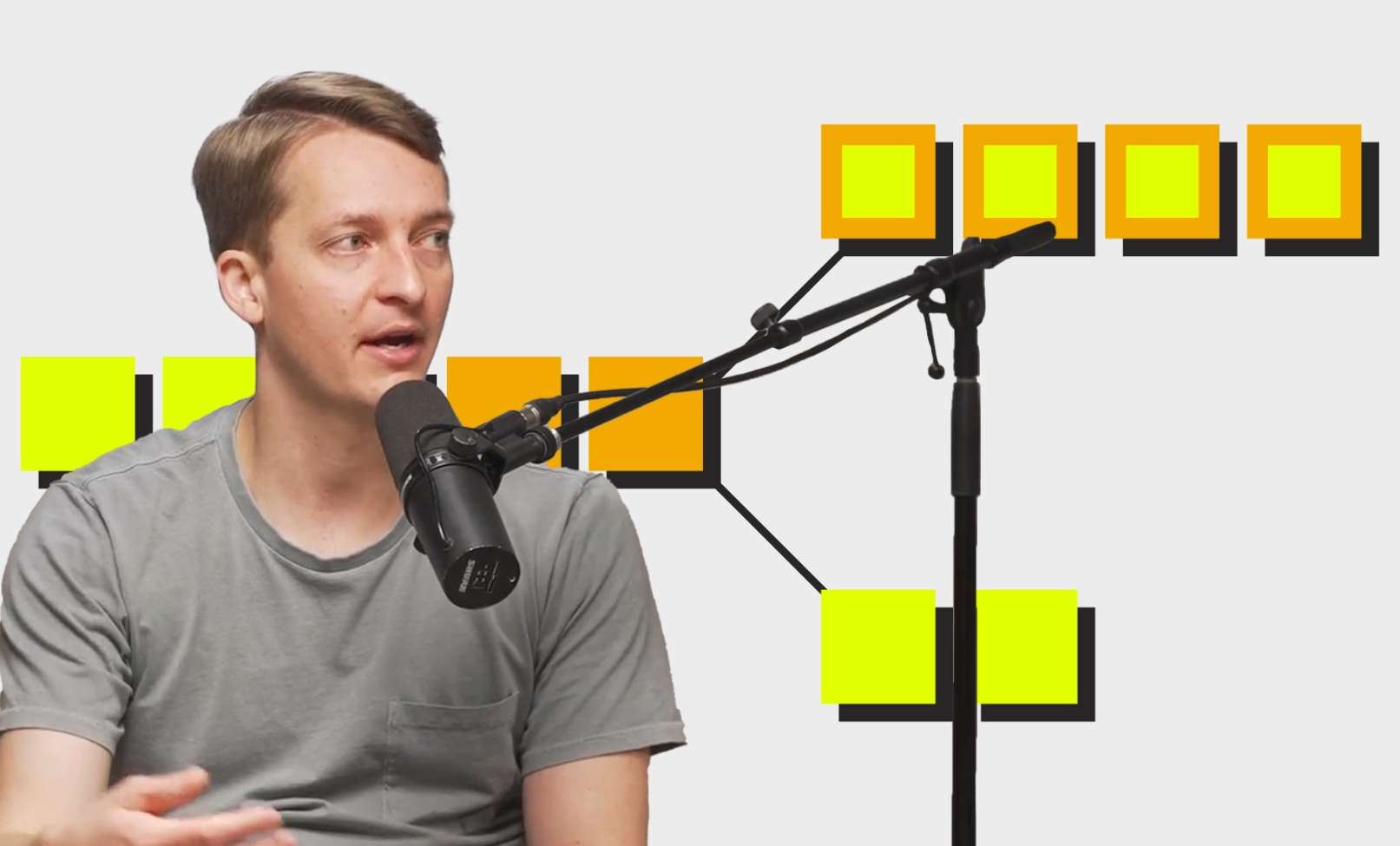
Braiins co-founders Jan Čapek and Pavel Moravec and Bitcoin developer Matt Corallo, who each helped co-author the mining protocol, are also regular contributors to the working group’s discussions. Recently, Corallo sat down with Head of MARA Foundation Isabel Foxen Duke to discuss the history of Stratum V2 and its key features on MARA Foundation TV.
Read more



Get insights from Bitcoin leaders on governance, mining, security and tech.